

Dear friends, family, and kind-hearted supporters,
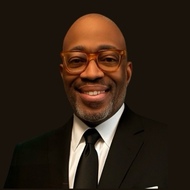
I’m Robert Carpenter, a dedicated middle school math teacher and assistant pastor, reaching out in a time of unimaginable hardship. Life has thrown me into a perfect storm of challenges: I’ve recently begun treatment for cancer, which has brought both emotional and financial strain, and I’m entangled in a distressing legal battle due to domestic violence. My estranged wife has filed for divorce, seized our vehicle, and manipulated our lease agreement by removing my name, putting me at risk of homelessness. These actions have left me vulnerable, but I’m determined to fight back with your help.
gofund.me/87732567
My Treatis to Pastors
Pastor, you were created to fulfill your grand design. Let’s go!
Click the link for a free ministry consultation with Pastor Robert.
https://www.facebook.com/share/1ah7LBXToS/?mibextid=wwXIfr
CashApp: $RobCarpenter2
- Venmo: @RobCarpenter2
- Coinbase: @robcarpenterii
- PayPal: @RobCarpenter2
- Zelle: [email protected]
https://cash.app/$RobCarpenter2
Since Timmy says that social media is lying on him, Tuesday night at 10 PM EST on TheRCTVNetwork.locals.com (subscription) I will prove why he’s called Arrogant Anthony and why he’s called Lyin’ Timmy. Trust me…These receipts are longer than receipts at a CVS Pharmacy. Let’s go! #COGGA22 #drainthecogswamp #cogequity #rctvnetwork
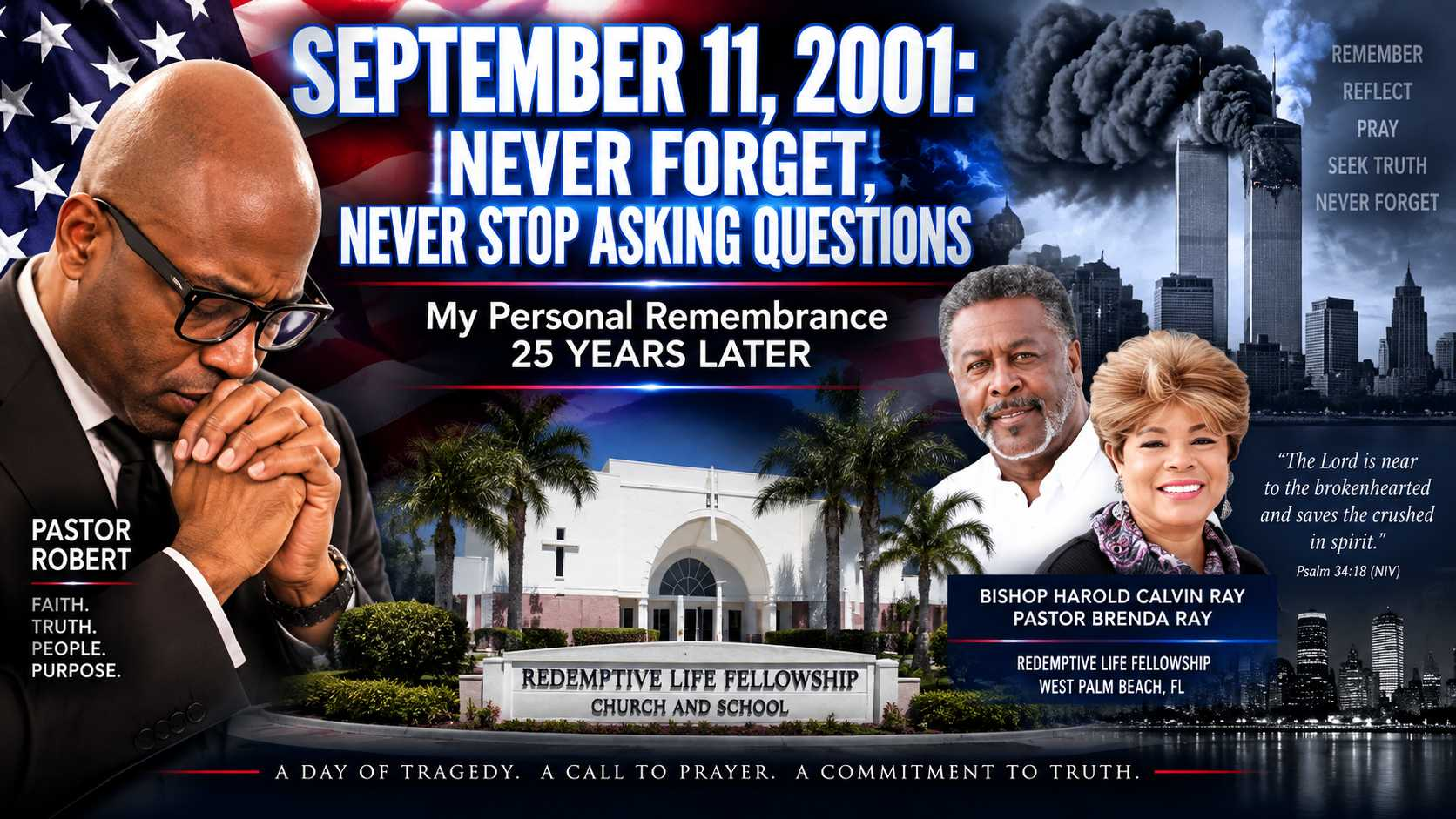
On the morning of September 11, 2001, I was serving as the Administrative Pastor at Redemptive Life Fellowship in West Palm Beach, Florida, under the leadership of the late Bishop Harold Calvin Ray and Pastor Brenda Ray. Because of the demanding schedule and having not yet relocated my residence to West Palm Beach, I was staying at a local Marriott near the church campus.
I was getting dressed for the day when the television broadcast broke in with images of the first tower burning. Moments later, I watched the second plane strike the South Tower. The realization set in instantly: our nation was experiencing a catastrophic breach. Instead of finishing my morning routine, I sat frozen on the edge of the bed, fixed to the screen in prayer, wondering where the next blow would land. Over the next hour, disbelief turned to shock as the South Tower collapsed, followed shortly after by the North Tower, descending rapidly in clouds of dust. News reports rapidly escalated—a strike at the Pentagon, and soon after, ...
The passing of Senator Lindsey Graham this past Saturday, July 11, 2026, has ignited a firestorm of speculation that stands in stark contrast to the traditional, solemn tributes typically reserved for a sitting U.S. senator. At 71 years old, Graham—a fixture of Washington for over three decades—died unexpectedly at his home in Washington, D.C.
While the official preliminary assessment by the District of Columbia medical examiner points to an "aortic dissection due to arteriosclerotic cardiovascular disease"—a tragic but natural, albeit sudden, medical event—the internet has been quick to weave a much more conspiratorial narrative.
The speculation is fueled by the timing of Graham’s recent travel. Just days before his death, Graham was in Kyiv, where he met with President Volodymyr Zelenskyy and toured a production facility for the Ukrainian defense company SkyFall, which manufactures "Vampire" bomber drones. Reports confirm that this very facility was targeted in a Russian missile ...